Typical Price Range
Most non-luxury vehicles cost $275-$500 without insurance. A standard aftermarket laminated-glass installation averages around $290-$300 before advanced features change the scope.
Phoenix Windshield Replacement Co. prices windshield work according to the vehicle, glass type, and whether ADAS calibration is required. In Phoenix, most standard non-luxury replacements cost $275-$500 without insurance, while simpler repairs cost less and heavily optioned vehicles can cost considerably more.
Most non-luxury vehicles cost $275-$500 without insurance. A standard aftermarket laminated-glass installation averages around $290-$300 before advanced features change the scope.
Year, make, model, trim, glass source, and built-in technology all matter. Heads-up displays, rain or humidity sensors, embedded antennas, and camera brackets can increase both parts and calibration labor.
Provide the vehicle year, make, model, and VIN. Confirm whether the quote includes glass, vehicle-rated urethane, clips, moldings, needed weatherstripping, labor, and ADAS calibration.
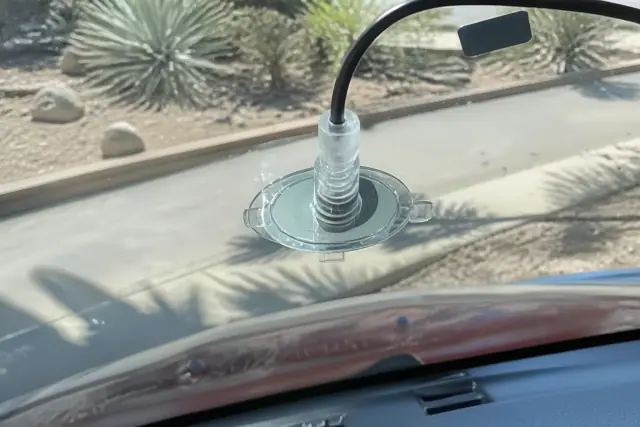
A basic laminated windshield without cameras or specialty features. This represents the simpler end of the replacement price range.
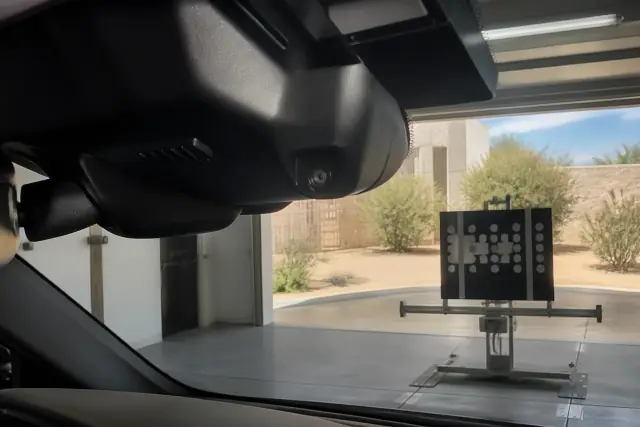
The camera bracket and sensor area near the rearview mirror. These features can require static, dynamic, or combined ADAS calibration after replacement.
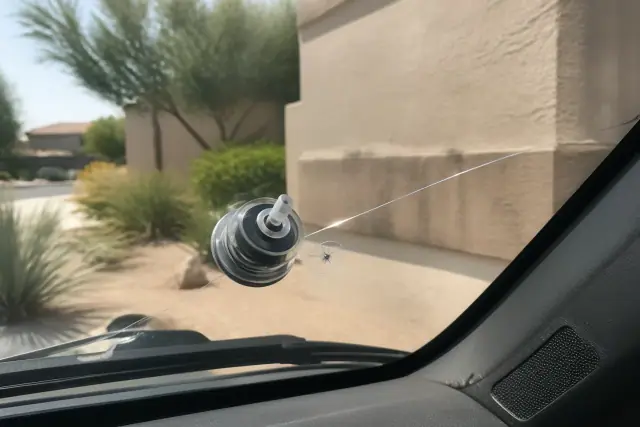
Compare a chip smaller than a quarter with a crack that reaches the glass edge. Size, depth, location, and the driver's sightline determine whether lower-cost repair remains safe.
$50-$100 for a qualifying chip or short crack; many chip repairs take 20-30 minutes.
$275-$500 for most non-luxury vehicles without insurance; standard hands-on installation takes roughly 45 minutes to an hour.
OEM glass generally adds $100-$300, and ADAS calibration adds $150-$400 when required.
Comprehensive coverage may reduce the bill to a $0-$500 policy deductible; a glass deductible waiver can mean $0 out of pocket.
| Windshield situation | Typical Phoenix cost | What affects the total |
|---|---|---|
| Repairable chip or short crack | $50-$100 | Often $0 out of pocket with comprehensive coverage |
| Older, basic vehicle | $169-$200 | Simple glass without advanced features |
| Standard non-luxury replacement | $275-$500 | Glass, vehicle details, and installation requirements |
| Luxury or heavily optioned vehicle | $800-$1,655 | OEM glass, specialty features, and calibration |
| OEM glass upgrade | Adds $100-$300 | Matches factory curvature and coating specifications |
| ADAS calibration | Adds $150-$400 | Static, dynamic, or combined calibration |
There is no single Phoenix windshield price because an older vehicle with basic glass may land near $169-$200, while a luxury or heavily optioned model can reach $800-$1,655. Specialty equipment such as a heads-up display, heated wiper park area, acoustic interlayer, embedded antenna, or forward-facing camera moves the quote higher than a basic laminated windshield.
The vehicle's year, make, model, and trim identify the correct glass and attached features. OEM glass matches factory curvature and coating specifications, while aftermarket laminated glass meets Federal Motor Vehicle Safety Standard 205 for optical clarity and strength. If replacement disturbs a forward-facing camera used for lane departure, automatic braking, or adaptive cruise control, manufacturer service specifications generally require static, dynamic, or combined calibration. Mobile replacement usually costs the same as in-shop work with no added charge in most cases, although some calibrations need a level, controlled workspace.
Repair may be possible for a chip smaller than a quarter or a crack under 3 inches when it stays away from the edge and the driver's direct sightline; a crack longer than 6 inches generally requires replacement. After installation, wait until the urethane reaches its minimum safe drive-away time, which can range from about 30 minutes to a few hours. Comprehensive insurance generally covers replacement subject to the policy's deductible, and some Arizona policies have a zero-deductible glass endorsement. Mobile work uses the same materials and installation standards as in-shop service, with weather, workspace, and calibration needs determining where the job can be completed safely.
Share your vehicle's year, make, model, and VIN to get an itemized quote covering the glass type, calibration needs, and installation timeline. Confirm OEM versus aftermarket pricing and every included part before scheduling.